
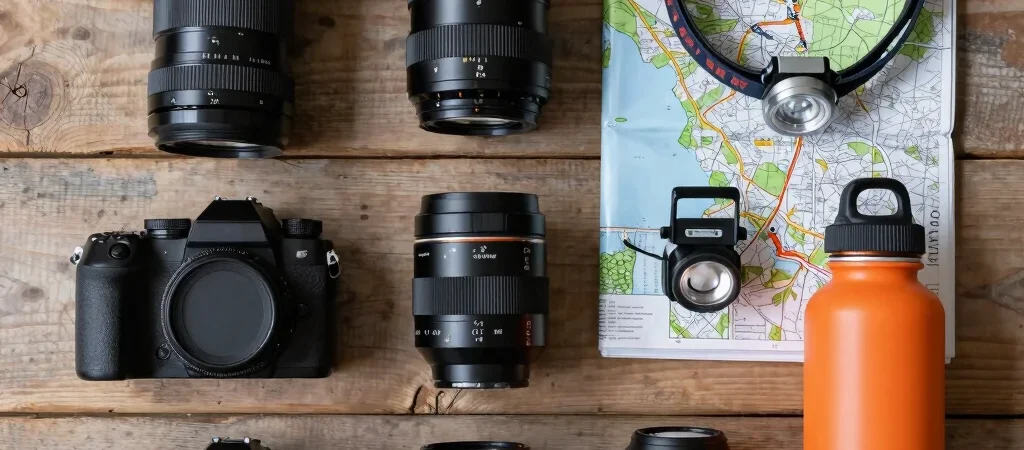
Striking a realistic balance between camera equipment and essential wilderness survival gear is a classic dilemma for outdoor photographers. Carrying forty pounds of equipment quickly drains energy and reduces mobility across challenging terrain. By carefully auditing every piece of kit, you can maintain professional imaging capability while moving swiftly on the trail.
Selecting Versatile Optics for Variable Terrain
Instead of carrying a full suite of heavy prime lenses, select two high-quality zoom lenses that cover wide to telephoto focal lengths. Pair your camera body with a rigid carbon fiber tripod that collapses easily into side pack pockets. This streamlined setup handles vast coastal routes and dense forest interiors alike.
Protecting Electronics in Remote Environments
Extreme moisture and sudden temperature drops deplete camera batteries rapidly and threaten sensitive optical coatings. Wrap sensitive gear in ultralight dry sacks and store camera bodies near the center of your backpack for padded protection. Carrying compact solar chargers ensures your GPS navigation devices stay powered throughout extended expeditions.
Streamlining Camp Gear for Faster Dawn Starts
Setting up camp efficiently gives you more time to scout photographic angles before light fades. Choose a lightweight shelter that pitches rapidly in high winds or rain. A simplified stove setup allows for quick hot meals without adding unnecessary bulk to your overnight frame.